

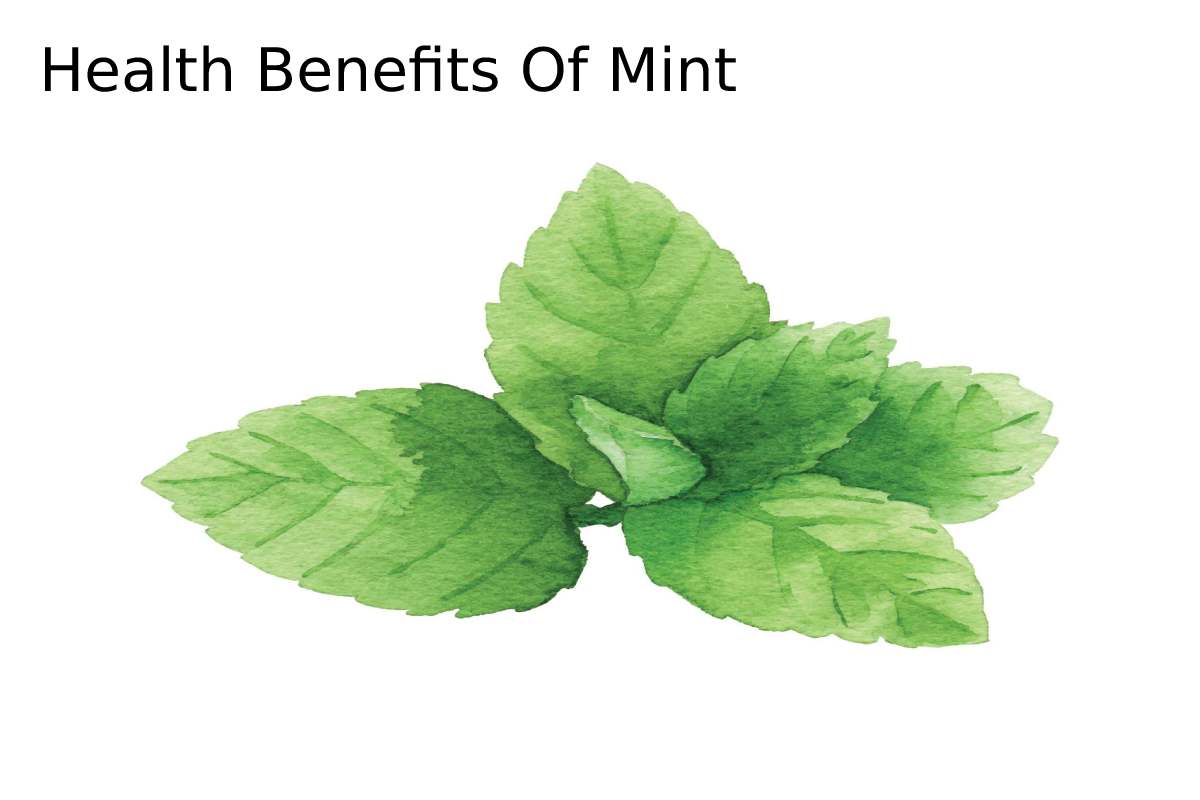
Mint-
What Is Mint?
This herb is a cross among two species of mint: water mint and spearmint. The taste and smell you know from things like candy and soap come from the concentrated oil (essential oil) in the plant.
Like mint, green tea is also commonly consumed as a beverage and is often included in wellness-focused diets. You can learn more about the nutritional properties and potential health effects of green tea and how it can fit into a balanced lifestyle.
Past Mint
The ancient Greeks, Romans, and Egyptians used mints, including peppermint, as medicines thousands of years ago. But mint wasn’t recognized as a distinct subspecies until the late 17th century.
How To Use It
You can get peppermint leaves through tea, capsules, or as an extract. Mint can also be incorporated into smoothies and snacks alongside other nutritious ingredients. For example, peanut butter can add protein and healthy fats to certain snacks and smoothies when consumed as part of a balanced diet.
Fresh mint leaves can be especially useful in everyday cooking because they pair well with vegetables, fruits and other fresh ingredients. Try exploring different salad recipes for ideas on incorporating fresh herbs into balanced meals.
Fresh herbs can also be used to add flavour to savoury meals. Understanding what Bolognese is can provide ideas for meals where herbs and other flavourful ingredients are combined with a hearty sauce.
Peppermint oil comes in capsules and liquids. You can apply it on your skin or take it orally.
When using herbs and other ingredients in everyday meals, it is also useful to consider how different ingredients contribute to flavour and nutrition. Butter is another common ingredient that can be used in cooking and baking, although moderation is important as part of a balanced diet.
It’s highly concentrated, so only use it diluted or a few drops at a time. Taking too much oil at once can be toxic.
Calm An Upset Stomach
Peppermint contains compounds that relax the tissues of the gastrointestinal tract of animals. Some studies have shown that peppermint and other herbal medicines can relieve stomach pain in children, but we need more evidence before doctors can recommend them. Other research shows that it can also help reduce nausea and vomiting after chemotherapy.
Mint can also be combined with fruit in a varied diet. Plums are another nutrient-rich fruit that can be enjoyed on their own or added to meals, snacks and smoothies as part of a balanced eating pattern.
Treatment Of IBS Symptoms
Studies suggest that coated peppermint oil capsules can relieve the side effects of irritable bowel syndrome, such as gas, stomach pain, constipation, and diarrhea.
Help With Headaches
The active ingredient in mint is menthol. Some small studies show that it can relieve the pain of migraines. It can also reduce other symptoms like sensitivity to light, nausea, and vomiting. Some studies suggest that applying a peppermint oil solution to the forehead and temples can also relieve tension headaches.
Kill Germs In The Mouth
The mint flavor not only freshens breath, but its antibacterial properties can also help eliminate the source of the odor: germs. It is believed to stop bacteria from forming a film on the teeth, helping to keep pearly whites healthy.
Relieve Menstrual Cramps
It doesn’t seem to affect how much blood is lost, but the menthol in peppermint can reduce the intensity and duration of period pain in some women.