

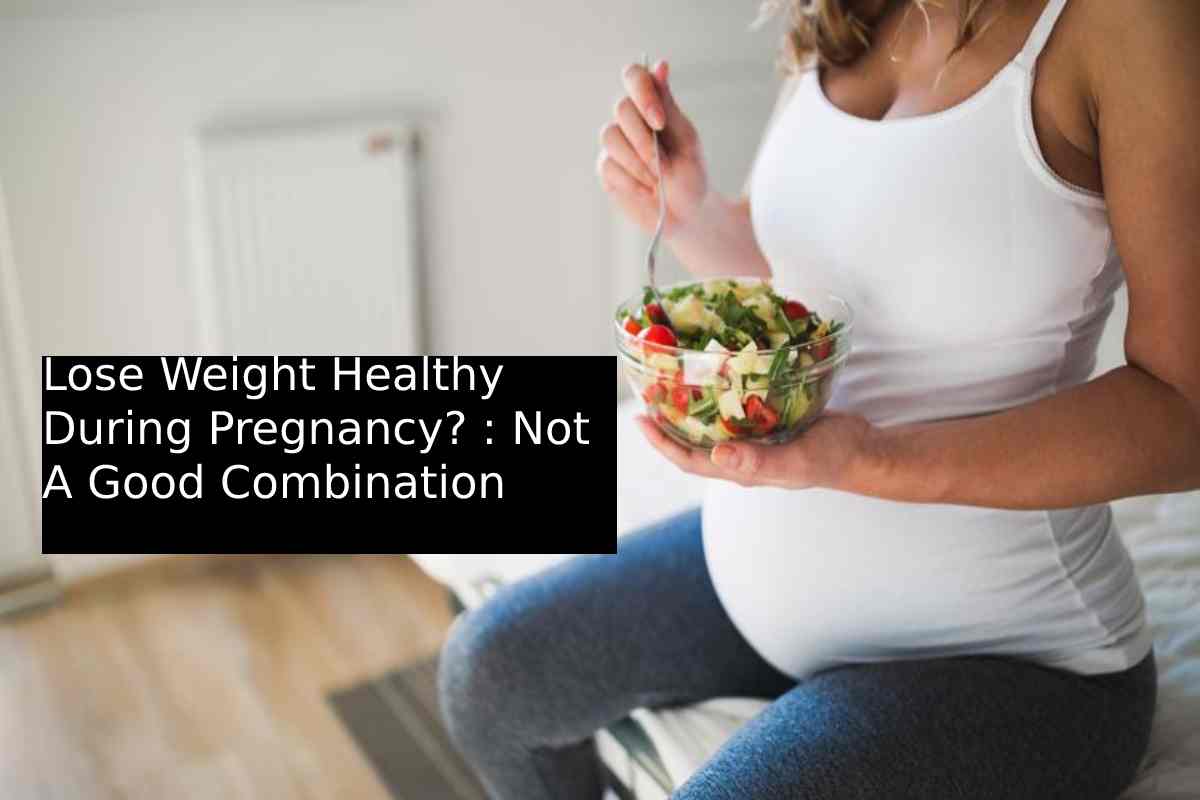
Being pregnant and gaining weight is common, but dieting during pregnancy is a good combination. Suppose nothing happens in terms of weight in the first three months of pregnancy; the scales tip for many women from the 4th month. No reason for a diet! Instead, the number of calories supplied to the body daily should increase by about 20 per cent. This means 300 to 500 calories are added to the normal turnover to provide nutrition for the unborn child. With a diet that sounds tempting to lose weight during pregnancy, the number of calories consume would usually be significantly reduced. If you lose weight now, it can quickly mean a lack of folic acid, iron and other essential vitamins and minerals for mother and child.
Weight Loss Tips After Pregnancy
The nutrients are essential for the growth of the baby. A diet during pregnancy can harm the mother and the unborn child. Even if it’s difficult: Don’t worry, because weight gain is basically an indication that your child is developing well. Losing weight during pregnancy is not easy anyway, because a weight gain of around 15 kilograms is quite normal. However, later breastfeeding naturally promotes weight loss.
Weight goals can also vary after pregnancy, and some people may need to focus on restoring or increasing their body weight rather than losing it. Those who need to gain weight can focus on adequate calories, protein, nutrient-dense foods, and a balanced eating pattern.
Lose Weight During Pregnancy?
Nevertheless, pregnancy is of course not a license to watch your weight. If you were overweight before pregnancy or gain more than 15 kilos, you risk diabetes or high blood pressure as a possible result. Visit your gynecologist or family doctor regularly, who will closely monitor the development of the child and your weight. After consulting with them, instead of dieting during pregnancy, you can initiate a diet change for healthy weight loss.
For general weight management outside pregnancy, understanding hunger and eating patterns can also be helpful. Learning practical strategies to suppress appetite may support healthier eating habits, but appetite-management approaches should always be adapted to individual nutritional needs.
Diet Allowed
A change in diet should not be confused with a diet. Instead of dieting during pregnancy, it is more important to eat a healthy and balanced diet. All four food groups should be on the menu: protein-rich foods like meat and eggs, dairy products, starchy foods like bread and potatoes, and of course fruits and vegetables. Lamb’s lettuce, spinach and green leafy vegetables, for example, contain folic acid and should therefore not be missing from a pregnant woman’s menu. It can be less for protein, fat and sugar. Still, the focus is more on overall health than weight loss during pregnancy.
Outside pregnancy, people may explore different eating patterns as part of their weight-management routine. One approach discussed by some people is how to lose weight without dinner, although skipping meals is not suitable for everyone and should not be used during pregnancy without appropriate medical guidance.
Incidentally, the biggest calorie traps are in industrially processed foods such as chocolate bars and fast food. Reducing these foods is half the battle. Sport sustainably supports a healthy lifestyle.
Conclusion: How Can You Lose Weight Healthy During Pregnancy?
Dieting during pregnancy is not a good idea. Weight-loss products should also be approached with caution, particularly during pregnancy. If you are considering a diet pill for weight management, discuss it with a qualified healthcare professional first, as unregulated or inappropriate products may pose health risks.
Expectant mothers who lose weight during pregnancy risk nutritional deficiencies in their baby. The consequences of this are unforeseeable. After pregnancy, there is still enough time to lose weight.
Once pregnancy and the postpartum period have been appropriately addressed, people can focus on sustainable weight-management strategies. If weight loss is an appropriate goal, learning how to lose weight through balanced nutrition, regular activity, and long-term lifestyle changes can provide a more sustainable approach.
If you want to lose weight, it is best to consult a doctor and change your diet fundamentally and permanently under observation.