

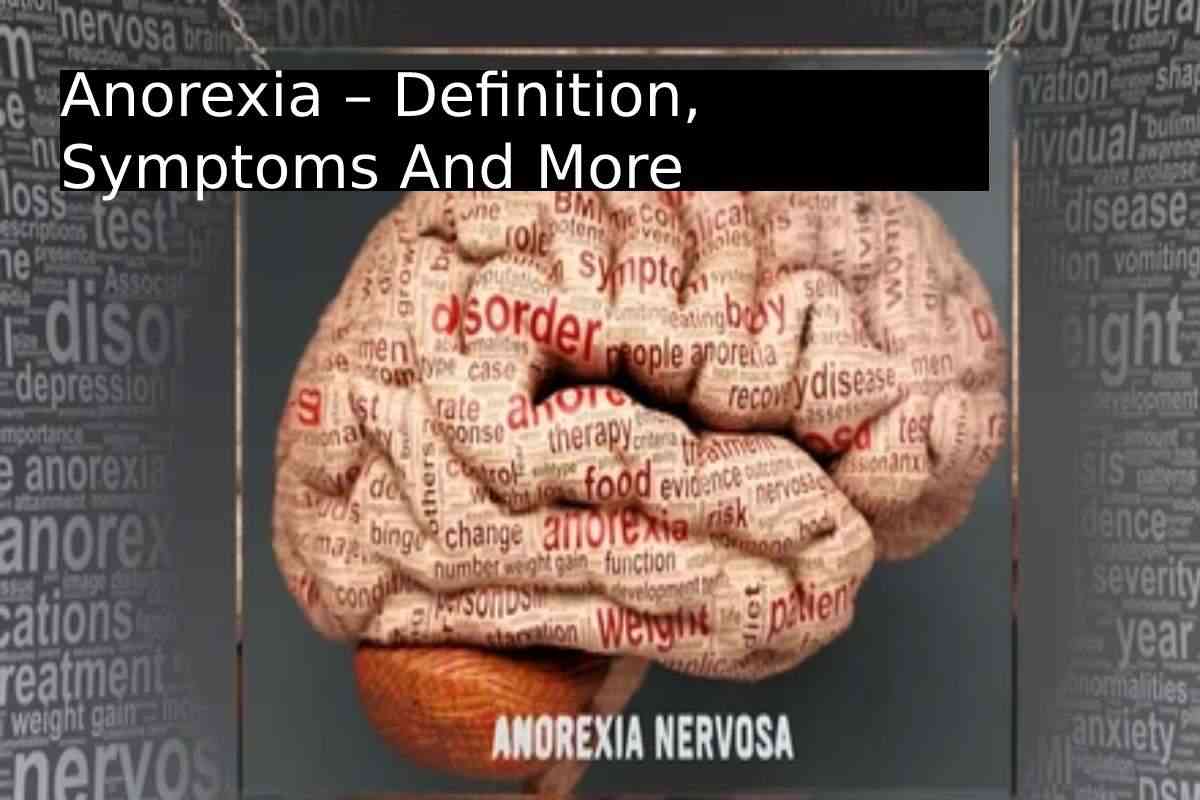
Anorexia nervosa is a serious mental illness. Affected people lose weight quickly due to unhealthy nutrition – up to life-threatening conditions. A distorted body image is also typical: the patients feel they are overweight, although they are already severely underweight. Read here how to recognize anorexia, what causes it and how to treat it.
Featured Under General Health
Quick Overview
Description:
Mental illness, addictive eating disorder, severe, sometimes life-threatening, weight loss from radical dieting and/or exercise, distorted body image
Symptoms:
massive weight loss, underweight, hunger pangs, need for control, fear of gaining weight, thoughts revolve around weight and nutrition, physical deficiency symptoms, lack of insight into illness
Causes:
disturbed stress processing, genetic factors, disturbed messenger metabolism, strong need for control, high performance standards, western ideal of beauty
Diagnosis:
severely underweight, self-induced weight loss, body schema disorder, disturbed hormone balance
Treatment: mostly inpatient therapy, normalization of weight and eating habits, individual and group sessions of behavioral therapy, family therapy
Prognosis: About 50 percent of those affected overcome the eating disorder largely with therapeutic help. The shorter the duration of anorexia or the milder the disease, the better the prognosis. Fatal outcome in about 10 percent of those affected.
Anorexia: Description
Patients with anorexia nervosa (anorexia nervosa) have a pathological desire to further reduce their body weight. The entry point into the disease is often a diet. Over time, thoughts about their own body weight increasingly determine the entire everyday life of those affected. Despite being skin and bones, they feel overweight and want to keep losing weight.
Anorexia is an eating disorder, along with bulimia and binge eating disorder. Severe weight loss is the most noticeable symptom of anorexia. Ultimately, however, it is only the outwardly visible sign of a deep-seated mental disorder. Simply eating again is not enough to cure the disease.
Addictive Urge
The disease has an addictive character: the hunger pangs are almost irresistible for the patient. The special kick is the greatest possible control over your needs and your body. For outsiders, this is hardly comprehensible.
In addition, anorexic people have no insight into their illness for a long time. They find it problematic to admit that they have problematic eating habits. As a result, they often resist therapy.
Anorexia nervosa is a serious mental illness. Some of those affected die of malnutrition or suicide
Anorexia: Symptoms
The main symptoms of anorexia are severe, self-induced weight loss, a pronounced fear of gaining weight despite already being underweight, and a distorted perception of one’s own body.
Since malnutrition affects many important bodily functions, numerous physical (physical) ailments also occur.
Nutritional deficiencies can also contribute to problems involving the blood and oxygen supply to tissues. Readers who want to understand this connection further can learn more about anemia and its common causes and effects.
Nausea and dizziness may occur in people experiencing significant nutritional or physical disturbances. These symptoms can have many possible causes, so it is also useful to understand other conditions associated with nausea, such as motion sickness.
Malnutrition can also affect the body’s ability to regulate blood sugar and maintain normal metabolic function. Understanding conditions such as hyperglycemia can provide useful context about how changes in glucose levels may affect overall health.
Severe nutritional deficiencies can affect multiple organ systems, making overall physical health an important part of anorexia treatment. For broader information about respiratory health and the lungs, readers can explore this additional health guide.
Long-term metabolic problems can also affect tissues throughout the body. For additional information about how diabetes can affect the musculoskeletal system, see this guide on how diabetes can cause tendon damage.
Diarrhea in Infants
Digestive symptoms can sometimes affect appetite, nutrition and overall well-being, but they may also point to a separate underlying health issue. For example, diarrhea in infants can require particular attention because young children can become dehydrated more quickly. Understanding the differences between digestive symptoms and appetite-related conditions can help ensure that the appropriate care is considered.
Digestive symptoms can have many different causes and may vary considerably by age and underlying condition. For information about a specific digestive problem in young children, see this guide to diarrhea in infants.
Conclusion
Anorexia nervosa is a serious mental illness that can affect both physical and psychological health. Severe weight loss, restrictive eating, fear of gaining weight and a distorted body image are important warning signs that should not be ignored. Because the condition can lead to serious complications, early recognition and professional treatment are essential. Recovery is possible, but treatment often requires a combination of nutritional support, psychological therapy and ongoing medical care.